

how-long-go-without-sleep

What Happens To Your Body After 24 Hours Without Sleep?

In today’s busy world, staying up late has become so common for people. Be it watching TV, having trouble falling asleep, or working on a project, missing sleep can affect you a lot. When you stay awake for 24 hours straight, it is one of the biggest signs of sleep deprivation. But what happens to your body after not sleeping that long? From feeling tired to getting stressed, lack of proper sleep can cause problems in many parts of your life. In this article, you will walk through some of the crucial effects of staying awake a long day without sleep. So, read ahead! Explore What Happens After 24 Hours Without Sleep Sleep is very important to stay healthy, both physically and mentally. Most people don’t take this fact seriously. The following is what happens to your body after staying awake for a longer time. Short-Term Wakefulness When you first stay awake longer than usual, your body might feel full of energy. Well, this is because of stress hormones, like adrenaline and cortisol. These hormones help you stay alert for a little while. You might think at first that everything is okay and you’re completely fine. But with time, it gets harder to focus and remember things. You might start feeling more worn it. So, make it a habit to have a sleep of 7-9 hours to start the next day energetically! Cognitive Decline Starts Your brain begins to experience fatigue after 6 hours of wakefulness. Focusing on tasks, like reading or solving problems, gets harder. You will be unable to follow conversations. Your brain effectively stores memories through sleep. If the brain is not functioning properly, it will impair overall memory. Adding more, you might also start taking hasty, impetuous decisions that you could not usually make. It is advisable to give your body rest by getting some sleep. Physical Symptoms Intensify Staying awake 12 hours without sleep makes you feel exhausted. The energy you were getting from adrenaline and cortisol hormones fades. You may yawn a lot or want to sleep right away, no matter where you are. Since your coordination is off, your daily work routine will get disturbed. Not only this, but it also weakens the body’s ability to fight sickness. Even your stress levels go up too. Remember that sleep is the best meditation that makes you feel relaxed. Mental and Emotional Strain By the 18-hour mark, the negative effects of sleep deprivation are more noticeable. It severely hurts your cognitive functions, such as planning, reasoning, and memory retention. Generally speaking, it is like having 0.08% of alcohol in your body. This can make you clumsy, negatively affecting your judgment. Small problems can seem big, and you might get upset over a little matter. Don’t be too harsh to your body, and make sure to sleep properly for a healthy lifestyle. Severe Impairment Not sleeping for 24 hours makes your body and brain work poorly. It deeply affects the motor skills of your body. Driving machines becomes dangerous, as your reaction or reflex times slow down dramatically. This all goes far beyond just these effects. Severe impairment also includes increased risks of hallucinations. Whatever the effect is, it is not good for your health. No matter how easy or hectic your day was, it is recommended to go to your bed early to have a good sleep. Chronic Sleep Deprivation Not getting enough sleep over time can cause so many chronic health issues. It can lead to problems, such as heart disease, weight gain, and a weakened immune system. Aside from this, lack of sleep makes it harder for your brain to function at its best. You will find it challenging to learn new stuff. Your skin will also look older and less healthy. You might not know, but your life will fall apart when you don’t get enough sleep. Sleep is the bridge between despair and hope. Wrapping It Up Last but not least, sleep is not only a luxury but also a biological need that is essential for everyone. It is a must for your brain and body. You can clearly see these effects by staying awake for 24 hours without any sleep. Your mind feels foggy, it is hard to focus on work, and you get really tired. Adding more to this, your emotions can also get out of control. Your body is not fully capable of fighting sickness. While staying up late might feel necessary sometimes, the damage it does to your health is too big to ignore. When you skip sleep, it becomes harder to think and remember things. You will not feel happy. Making sleep a priority helps keep you strong, both in your body and mind. So, the next time you think about staying up all night, keep in mind how important sleep is for you. All parts of your body will thank you, as you have kept them healthy.

Read More
Morning-Habits

Morning Habits That Can Improve Your Health In Just 7 Days

Not every day starts with a state of being energised and perfectly happy. Morning routine is an indicator of your whole day. A set of habits that support your health and immunity can make a big difference. Even small, daily practices can make you feel healthy in just 7 days. From avoiding social media to drinking water, there are many things that can help you create a morning routine that works for you. This is how you can align your thoughts with positivity or take good care of your physical health. In this article, you will get some essential tips to make your morning more productive and refreshing. So, continue to read ahead for more information! A List of Morning Habits for Improved Health in 7 Days The following is a detailed breakdown of the habits that can improve your health in only 7 days. Wake Up Early Waking up early is always going to be a priority on a great morning habit list. Being an early riser will positively impact the rest of your day. This means you’re giving yourself extra hours to use. Other benefits include improved sleep quality, better mental health, and increased work productivity. The peacefulness of the early morning can lead to relaxation and stress reduction. Drink Warm Lemon Water Sipping a glass of warm lemon water on an empty stomach rehydrates your body and speeds up your metabolism. This wonderful drink not only helps in the digestive process, but also keeps the PH in balance within the body. You may use honey or a pinch of turmeric for more antibacterial and anti-inflammatory effects. So, make sure to add this practice to your routine! Let the Light in Natural light is of utmost importance in your morning routine. Facing the bright light of the day in the morning helps your body realise it is time to wake up, leaving behind the laziness. It also regulates the natural sleep-wake cycle of your body, improves mood, and boosts vitamin D production. Sufficient light exposure can even reduce the chances of seasonal affective disorder. Wash Your Face Splashing some lukewarm or cool water on your face can refresh tired eyes. This makes for a rejuvenative wake-up call. Washing your face in the early morning helps remove dirt, sweat, excess oil, and bacteria that can build up on your skin overnight. You can use a gentle cleanser for your skin to prevent clogged pores. This is the best way to give your morning a healthy start. Eat a Nutritious Breakfast Once you’ve washed your face, now is the time to eat a nutritious breakfast. Not only does it energise you, but it also provides fuel for the busy day ahead. You can opt for ingredients, like whole grains, fruits, vegetables, eggs, and plain yoghurt. A healthy diet can also include coffee or black tea, along with a glass of water. Drink more than 3.7 litres of water a day to stay hydrated! Stretch Your Body Starting your day with exercise is a good way to promote a healthy lifestyle. It increases energy levels, enhances focus, and can help with weight management as well. Morning exercises can give you a sense of accomplishment and motivate you for the whole day. So, if you want to keep yourself fit both physically and mentally in just 7 days, make it a habit to do workouts daily. Make a to-do List You have so many things to do daily, and somehow, a few of them may slip your mind. To avoid such a hassle, it is ideal to make a to-do list. Jotting down important tasks in the early morning can help you keep track of everything you need to handle at work. Writing down tasks also gives you a paper reminder so that you don’t have to keep reminding yourself to take care of them. Do Something You Enjoy You don’t have to limit your morning schedule to preparation and productivity. You can do something that you enjoy to relax your mind and soul. This may include playing video games, catching up on your favourite YouTube channel, or putting on a playlist. You can also work on a craft or art project to finish your work. Well, this is how you can build a great morning routine. Wrapping It Up Morning habits can make a huge difference in changing your lifestyle while making it healthy. From taking a balanced diet to exercising or making a to-do list in the morning, the activities you prioritise have the potential to transform your mindset. Pick a routine that promotes happiness, encourages flow state, and sets you up to complete tasks early. This will help support your work-life balance. Take your productivity a step further by following the tips listed above!

Read More
india-nature

Environment and Health in India 2025

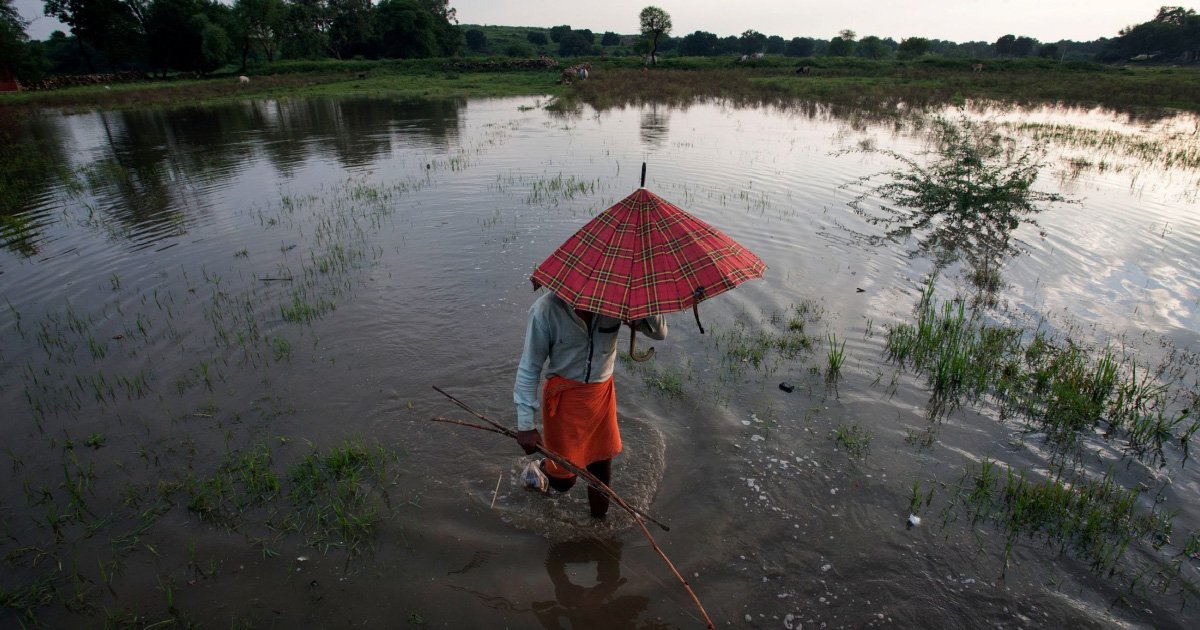
India stands at an important juncture, facing complex environmental and health challenges that span decades of growth in population size, urban centers expansion, pollution issues and an underfunded health system that’s struggling with environmental degradation having direct and long-term negative consequences on health outcomes. 2025 will bring numerous developments aimed at mitigating environmental degradation affecting public health outcomes; Severe Heatwaves and Climate Stress In India today, severe heatwaves and climate stress remain of great concern. Since May 2025, much of North and Central India–such as Rajasthan, Madhya Pradesh, and Uttar Pradesh–has endured temperatures exceeding 45degC (113degF). To warn citizens, India Meteorological Department issued red alerts, while health authorities advised staying indoors during peak hours, drinking regularly to stay hydrated, and refraining from strenuous activity to combat it. Climate experts attribute heatwaves to long-term global warming trends and urban heat island effects as major causes for these heatwaves, including urban sprawl, lack of green cover, inadequate heat-resilient infrastructure and inadequate heatstroke prevention practices. Hospitals have reported an alarming surge in cases of heatstroke among elderly individuals living alone or laborers working outdoors resulting in dehydration cases, heatstroke, dehydration or even fatalities reported among these groups. India Continues to Face Air and Water Pollution as Persistent Threats India continues to experience staggering levels of air pollution. Major cities including Delhi, Lucknow and Kanpur regularly record Air Quality Index (AQI) ratings that fall into “severe” classification. Vehicle emissions, industrial discharge, construction dust as well as stubble burning from agricultural states such as Punjab and Haryana all play major contributors. Health implications from polluted air are significant: long-term exposure has been linked to asthma attacks, chronic bronchitis episodes, lung cancer diagnoses and cardiovascular illnesses among others. Children especially are at heightened risk for such ailments – studies indicate stunted lung development as well as reduced academic performance due to respiratory illness in some instances. Rural and peri-urban areas face serious threats from water contamination. Numerous groundwater sources throughout many districts were recently found to contain excessive levels of arsenic, fluoride and nitrate contamination that can result in both intestinal infections, skin diseases as well as chronic kidney disorders in some instances (particularly eastern states). These contaminants contribute to illnesses related to digestion as well as skin problems that lead to chronic renal disorders affecting these regions. India’s Health Infrastructure Is Under Attack Although India has made great strides toward expanding public healthcare coverage through programs such as Ayushman Bharat, much remains undistributed and underfunded for public service delivery. Climate-related health emergencies have created immense strain for primary health centers — especially those located in heatwave-prone regions — under which climate emergencies have come up over recent months and years. Medical experts have advocated for the inclusion of climate adaptation strategies into healthcare planning, which would include training health workers on managing heat-related illnesses and developing early warning systems; providing reliable electricity supply in rural clinics so they may use cooling and refrigeration units and safely store medications; as well as increasing surveillance for potential early warning systems to detect severe events early. Public Awareness and Government Initiatives On an optimistic note, environmental health awareness has steadily been growing over time. Social media campaigns, educational outreach events, and grassroots activism efforts are encouraging more citizens to adopt sustainable habits such as rainwater harvesting, tree planting and waste segregation. Indian government programs introduced in 2025 have also attempted to address both crises: National Mission for Clean Air is being expanded to Tier-II cities while Green India Mission funds afforestation projects in vulnerable districts; urban local bodies are encouraged to create heat action plans in cooperation with meteorological agencies and public health experts. Conclusion India’s environment and health landscapes are more intertwined than ever, yet still manageable. Although India faces formidable challenges, she possess tools and knowledge that could turn around this tide; to address them effectively requires multi-sectoral approaches, sustained political commitment, active citizen involvement, as well as multilateral cooperation involving many sectors – not simply as goals- but as an urgent necessity!

Read More
health industry

Understanding Health: Toward Holistic Well-Being

Health is often thought of in terms of absence from disease; however, this does not fully capture what constitutes being healthy. According to the World Health Organization (WHO), “health” refers to “a state of complete physical, mental and social wellbeing – not solely absence of disease or infirmity”. This definition underscores how it’s an ever-evolving concept with multiple influences beyond physicality affecting its definition and practice. Physical Health This aspect of well-being is easily the most visible and widely discussed aspect of well-being. Physical Health encompasses the overall well-being of one’s body as a system. Key components are nutrition, exercise, sleep and preventive healthcare services. Nutrition: Eating a well-rounded diet packed with fruits, vegetables, whole grains, lean proteins and healthy fats provides essential nourishment to our bodies – poor choices could result in chronic illnesses like obesity, diabetes or cardiovascular disease. Exercise: Regular physical activity strengthens muscles, increases cardiovascular health benefits, promotes flexibility benefits and supports mental wellbeing. According to WHO recommendations for adults aged 19-50 years old: 150 minutes of moderate aerobic or 75 minutes of vigorous activity per week for optimal health benefits. Sleep: To recharge and rejuvenate, rest is vitally important to maintaining good health. Lack of restful zzz’s has been linked with various health concerns including impaired cognitive performance, decreased immunity levels and higher risks of cardiovascular disease. Preventive Healthcare: Regular checkups, vaccinations and screenings can detect potential health problems early, when treatment options may still be more viable. Mental Health Mental wellbeing is as equally crucial to overall wellness as physical well-being, impacting how an individual thinks, feels, and acts. Stress Management: Prolonged exposure to chronic stress can contribute to anxiety, depression and physical illnesses; therefore healthy coping mechanisms like mindfulness meditation and physical exercise are integral in combatting it. Emotional Support: Establishing meaningful relationships and seeking assistance when necessary are vital parts of mental resilience. Speaking to friends, family or mental health professionals may offer insights or perspective and bring comfort. Work-Life Balance: Striking a balance between professional obligations and personal time is vital to mental wellness, especially as burnout has become an increasing threat to productivity and life satisfaction. Lifestyle and Social Factors Health can also be determined by environmental and lifestyle choices made by an individual, including income, education, employment status and social support networks. These “social determinants of health” play an integral part in shaping overall well-being. Healthy Habits: Adopting healthier behaviors like smoking, excessive alcohol intake and substance abuse will greatly enhance overall health. Swapping them out with beneficial habits such as walking, reading or engaging in hobbies will bring greater fulfillment to life. Environment: Living in an atmosphere which fosters safety, cleanliness, and support can have profound effects on an individual’s well-being. Access to green spaces, potable water supplies and secure housing has an immense effect on one’s overall wellbeing. Healthcare Access: Accessing quality healthcare is of utmost importance; unfortunately, however, disparities exist across the world that hinder accessibility – particularly among underserved and rural populations. Preventive and Holistic Care A growing number of healthcare providers are adopting an integrative, whole person approach when offering healthcare; taking into account lifestyle factors like diet, stress levels and emotional well being when providing treatment services. This shift demonstrates the growing recognition that preventative and holistic approaches provide superior results than just treating symptoms. True health is an all-encompassing state that encompasses physical strength, mental clarity, emotional resilience and social engagement – each component being affected by daily choices, habits and external circumstances. For the individual seeking optimal wellbeing to reach and maintain it successfully; taking an integrative and comprehensive approach towards their wellbeing. As society becomes aware of all these interconnecting elements; paths towards healthier communities become clearer for us all as individuals as well.

Read More